Maximizing Efficiency with Competitive Air Cargo Rates and Charges in Modern Freight Logistics
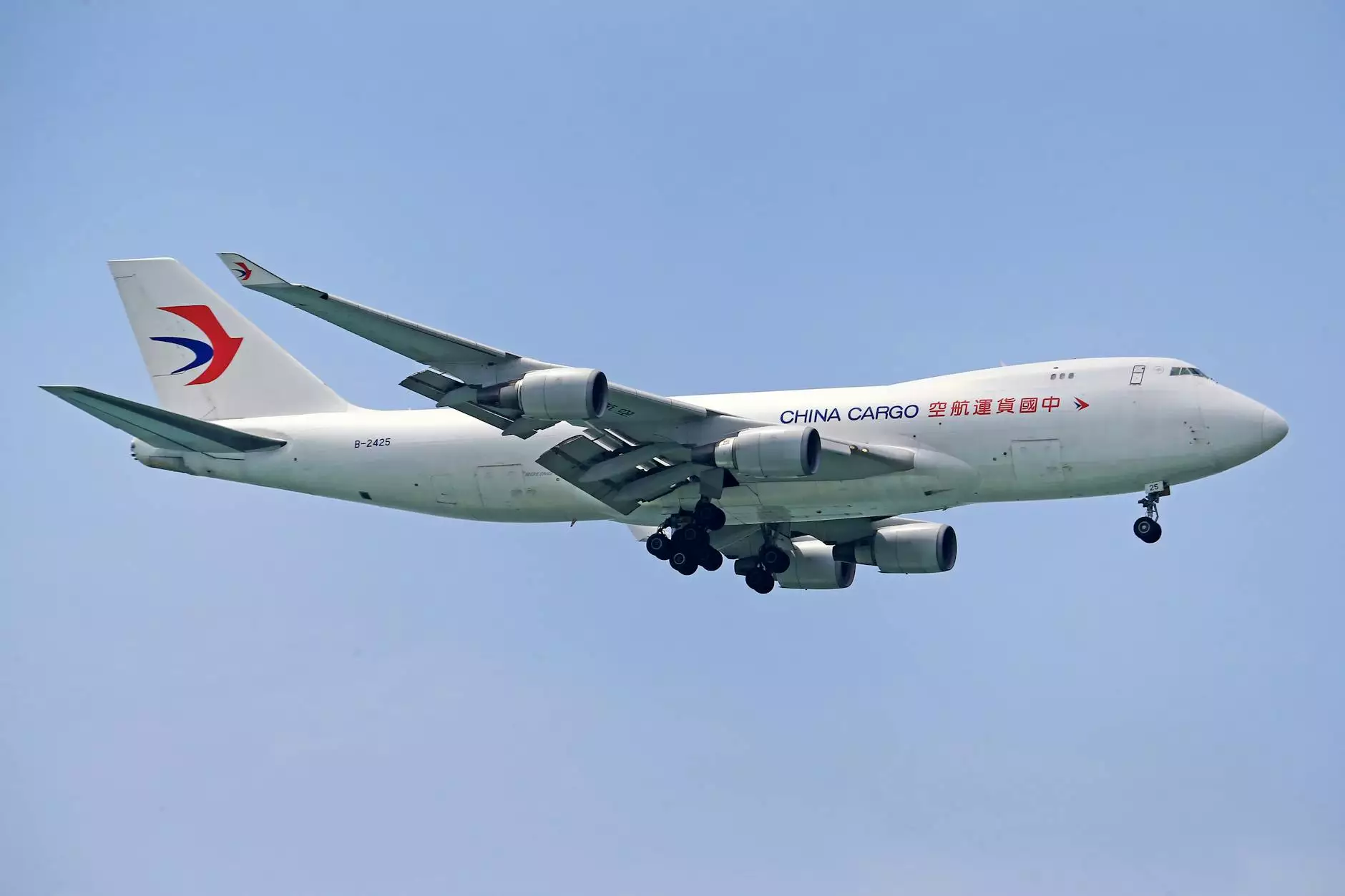
In the dynamic landscape of global commerce, air cargo transportation has become an indispensable vital for businesses that require fast, reliable, and secure delivery of goods. Whether you are operating within the bustling hubs of international airports or managing streamlined logistics through dedicated shipping centers and transportation networks, understanding the nuances of air cargo rates and charges is crucial for optimizing your supply chain efficiency and controlling costs.
Understanding the Fundamentals of Air Cargo Rates and Charges
At its core, air cargo rates and charges refer to the various fees levied by airlines and freight forwarders for transporting goods by air. These costs are influenced by a multitude of factors, including cargo weight and volume, type of goods, destination, urgency, and the current market demand for air freight services.
Key Components of Air Cargo Rates
- Basic Freight Rate: The primary charge based on weight or volume of the cargo.
- Fuel Surcharges: Additional fees reflecting fluctuating fuel prices, which can significantly impact overall costs.
- Security and Insurance Fees: Charges for security measures and insurance coverage to safeguard shipments.
- Terminal Handling Charges: Fees related to the loading, unloading, and processing of cargo at airports and shipping centers.
- Documentation Fees: Charges for the necessary paperwork, customs clearance, and regulatory compliance.
- Additional Service Fees: Costs for special handling, temperature-sensitive cargo, or expedited shipping.
How Market Dynamics Affect Air Cargo Rates and Charges
The price of air cargo is not static; it fluctuates based on geopolitical events, seasonal demand, fuel price volatility, and economic trends. During peak seasons or periods of high demand, airlines often raise rates, whereas during off-peak times, discounts and promotions become more prevalent.
For example, during global trade surges or festivals, airlines might implement surcharges to compensate for increased operational costs, impacting overall air cargo rates and charges. Conversely, advances in fleet efficiency and route optimization can help reduce costs, benefiting shippers and freight forwarders looking to minimize expenses.
Effective Strategies to Optimize Air Cargo Rates and Charges
1. Leverage Volume and Contract Negotiations
Many freight forwarders and businesses benefit from negotiating long-term contracts with air carriers, which often come with discounted air cargo rates and charges. Maintaining consistent shipment volumes reinforces your bargaining power, leading to better deals and predictable costs.
2. Utilize Consolidation and Hub Strategies
Consolidating multiple shipments into a single cargo batch at major hubs minimizes handling and transportation costs. Strategic use of shipping centers enhances efficiency, allowing for economies of scale that reduce per-flight rates and overall air cargo rates and charges.
3. Optimize Packaging and Shipment Size
Efficient packaging that maximizes cargo volume while minimizing weight helps control costs. Since many rate calculations depend on either weight or volumetric measurements, selecting the most cost-effective packaging size and type can significantly impact your expenses.
4. Stay Abreast of Dynamic Market Conditions
Monitoring industry trends, fuel prices, and seasonal peaks enables proactive planning. By adjusting shipment schedules and routes accordingly, businesses can avoid high-rate periods and secure more favorable air cargo rates and charges.
5. Embrace Technological Solutions and Digital Platforms
Leveraging digital freight marketplaces like Cargobooking.aero provides access to real-time quotes, instant booking options, and transparent fee structures. These tools enable shippers to compare rates efficiently and choose the most cost-effective options without sacrificing quality or speed.
Impact of Advances in Transportation and Airport Infrastructure
The continuous development of transportation infrastructure and airport facilities plays a pivotal role in shaping air cargo rates and charges. Modern airports equipped with state-of-the-art shipping centers facilitate faster turnaround times, improved handling processes, and enhanced security measures, all of which contribute to cost efficiency.
Furthermore, innovative transportation modes—such as integrated multimodal solutions combining air, rail, and road—offer flexible routing options and cost reduction opportunities. For businesses operating within the airports and transportation sectors, investing in cutting-edge infrastructure and technology not only optimizes air cargo rates and charges but also elevates overall service quality.
Future Outlook: How Technology and Global Trends Will Influence Air Cargo Rates and Charges
The future of air cargo logistics is poised for remarkable transformation, driven by digitalization, automation, and sustainability initiatives. Blockchain-based tracking, Artificial Intelligence (AI), and predictive analytics are making logistics more transparent and efficient, which can help reduce operational costs and, consequently, air cargo rates and charges.
Moreover, the global push toward greener logistics practices and more fuel-efficient aircraft will impact pricing structures. As airlines adopt sustainable technologies, some initial costs might be higher; however, widespread efficiencies and regulations will likely stabilize and potentially lower air cargo rates in the long run.
Why Partnering with a Reliable Logistics Platform Matters
Partnering with experienced and technologically advanced logistics providers such as Cargobooking.aero ensures access to competitive air cargo rates and charges, comprehensive shipping solutions, and expert guidance. These platforms provide:
- Instant Quotes and Rate Comparisons: Helping you make informed decisions quickly
- End-to-End Tracking: For transparency and real-time updates
- Customized Shipping Solutions: Tailored to your specific needs and budget
- Integration with Airport and Transportation Networks: Ensuring seamless cargo movements
Conclusion: Elevate Your Logistics Strategy by Mastering Air Cargo Rates and Charges
In today's competitive global market, understanding and effectively managing air cargo rates and charges is crucial for minimizing costs, maximizing efficiency, and enhancing customer satisfaction. By leveraging advanced strategies, technological tools, and forming strategic partnerships, businesses operating through shipping centers, airports, and comprehensive transportation networks can unlock new levels of operational excellence.
Stay informed about industry trends, continuously optimize your shipment processes, and utilize innovative platforms like Cargobooking.aero to ensure your logistics are not only cost-effective but also future-ready. Mastering the intricacies of air cargo rates and charges today paves the way for sustainable growth and success in the ever-evolving world of international trade.
About Cargobooking.aero
Cargobooking.aero is a leading digital freight platform dedicated to providing seamless, transparent, and competitive air cargo booking services. Catering to businesses across various industries, the platform simplifies complex logistics processes, enabling customers to secure optimal air cargo rates and charges while enjoying unparalleled customer support and innovative solutions.
air cargo rates and charges