Maximizing Business Efficiency with Premier Airfreight Services
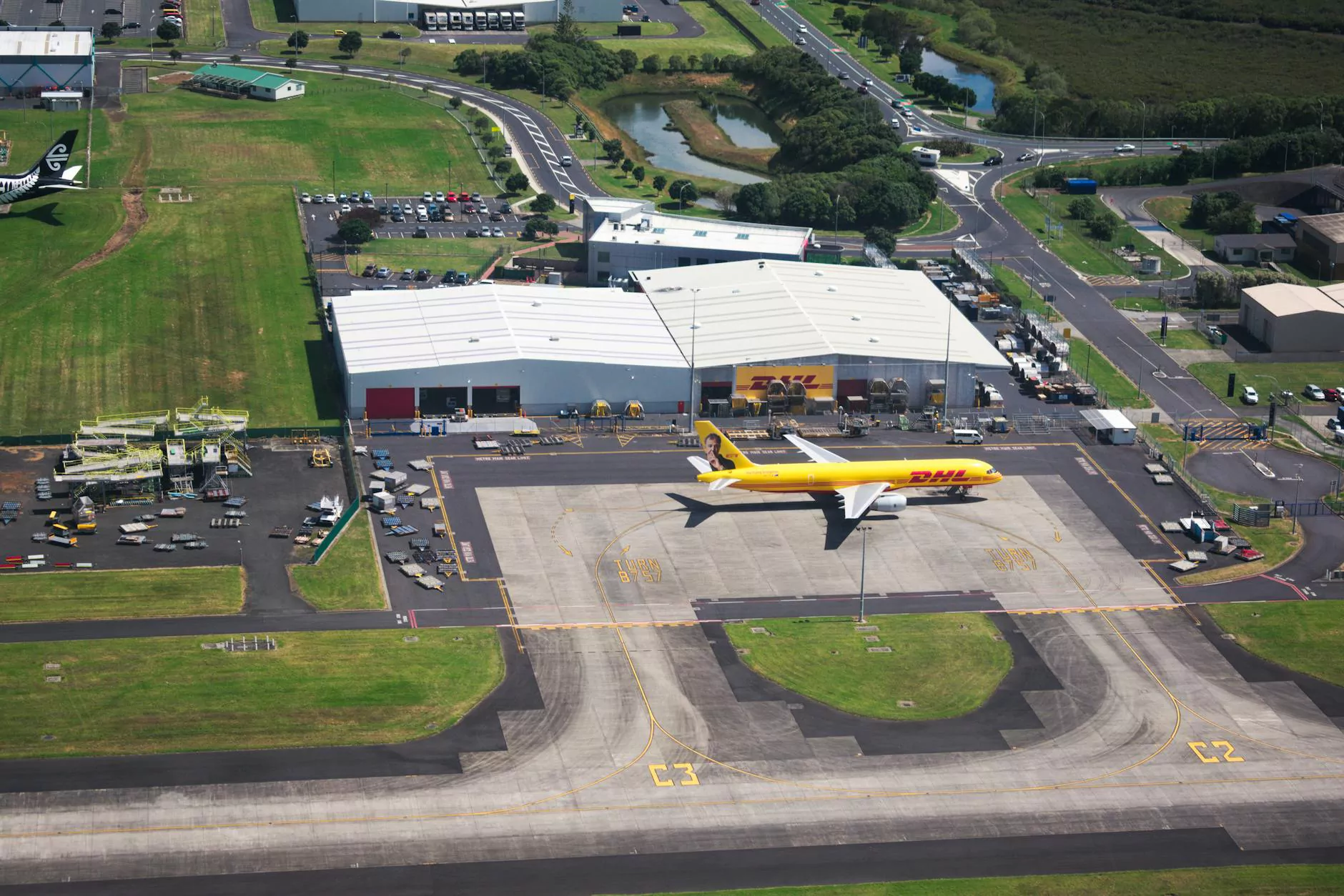
In today's rapidly evolving global marketplace, efficient logistics solutions are a cornerstone of successful business operations. Among these, airfreight services stand out as a vital component, enabling companies to deliver high-value, time-sensitive goods swiftly and securely across international borders. This comprehensive guide will explore how airfreight services revolutionize transportation, leverage strategic shipping centers, and optimize airport logistics to foster robust global commerce.
Understanding the Role of Airfreight Services in Modern Business
Airfreight services refer to the transportation of goods via aircraft, predominantly used for cargo that requires rapid delivery, high security, or handling of sensitive items. Unlike sea or land freight, airfreight offers unparalleled speed, enabling businesses to respond quickly to market demands, reduce inventory costs, and improve customer satisfaction.
As global trade becomes more dynamic and customer expectations rise, companies that utilize airfreight services can gain a competitive edge by ensuring their products reach markets faster than ever before. From fashion apparel and electronics to pharmaceuticals and perishable goods, the versatility of airfreight makes it a preferred choice for diverse industries.
The Strategic Importance of Shipping Centers in Enhancing Airfreight Services
What Are Shipping Centers?
Shipping centers are the nucleus of efficient freight logistics, serving as hubs where cargo is collected, processed, and dispatched efficiently. They integrate warehousing, customs clearance, packaging, and distribution services into a seamless operation, crucial for maintaining the integrity and punctuality of airfreight services.
Roles and Functions of Shipping Centers in Airfreight Logistics
- Consolidation and Deconsolidation: Combining multiple shipments to optimize aircraft space or breaking down large consignments for distribution.
- Customs Clearance: Ensuring compliance with international trade regulations, reducing delays, and avoiding penalties.
- Inventory Management: Maintaining inventory levels, tracking shipments in real-time, and coordinating deliveries.
- Quality Control: Inspecting goods for damages or discrepancies before dispatch.
- Value-Added Services: Packaging, labeling, and documentation tailored to specific industry needs.
Leading Shipping Centers in the Global Airfreight Network
Major airports such as Dubai International (DXB), Hong Kong International (HKG), Louisville International Airport (SDF), and Frankfurt Airport (FRA) are prime examples of shipping centers that facilitate rapid and reliable airfreight services. These hubs are equipped with state-of-the-art facilities, advanced technology, and extensive networks to ensure cargo routing efficiency.
The Vital Role of Airports in Facilitating Effective Airfreight Services
Airports as the Heart of Airfreight Logistics
Airports are the critical nodes where cargo transactions happen. Efficient airport operations directly impact the overall speed and reliability of airfreight services. The best airports maintain high capacity for cargo handling, advanced security measures, and seamless customs processes, which are essential for maintaining the flow of global trade.
Key Factors That Make an Airport Ideal for Airfreight Services
- Connectivity: Proximity to major trade routes and integration with global logistics networks.
- Capacity: Availability of modern cargo terminals capable of handling large volumes efficiently.
- Technology: Use of automation, real-time tracking, and security screening systems that streamline processes.
- Support Infrastructure: Warehousing, transportation links, and customs facilities to expedite cargo movement.
International Airport Hubs Leading the Way
International hub airports such as Dubai DXB, Singapore Changi, Atlanta Hartsfield-Jackson, and Amsterdam Schiphol Airport are exemplars of efficient airfreight services. They serve as pivotal points in global supply chains, connecting continents and ensuring swift transit of goods.
Advantages of Integrating Airfreight Services in Business Operations
Accelerated Delivery Times
In industries like pharmaceuticals or perishable foods, timeliness is paramount. Airfreight services drastically reduce transit times, enabling businesses to meet tight delivery schedules and reducing inventory holding costs.
Enhanced Security and Reduced Risk
With advanced security protocols, real-time tracking, and specialized handling, airfreight services diminish the risk of theft, damage, or loss, which is crucial when dealing with high-value or sensitive goods.
Global Market Reach
Utilizing airfreight services allows companies to access new markets rapidly, opening opportunities for expansion and diversification. Especially for small-to-medium enterprises, this means competing on a global scale with agility.
Flexibility and Scalability
Airfreight offers flexible scheduling and scaling options, catering to both seasonal spikes and consistent supply chain demands. This adaptability helps maintain continuity and customer satisfaction.
Technological Innovations Elevating Airfreight Services
Real-Time Tracking and Monitoring
Advanced GPS and RFID technologies enable detailed tracking of shipments, providing transparency and enabling proactive problem resolution. This level of oversight enhances client trust and operational control.
Automation and AI in Cargo Handling
From automated sorting systems to AI-enabled administrative processes, innovation reduces lead times, minimizes errors, and improves overall efficiency.
Blockchain for Secure Transactions
Blockchain technology is revolutionizing cargo documentation and payment settlements by offering immutable records, reducing fraud, and streamlining customs compliance.
Choosing the Right Airfreight Services Provider: Key Considerations
- Experience and Reputation: Select operators with proven track records and positive customer feedback.
- Network Coverage: Wide maritime and flight route coverage ensures flexible options.
- Service Portfolio: Comprehensive services including warehousing, customs clearance, and insurance.
- Pricing and Transparency: Competitive rates with clear, no-hidden-fee policies.
- Technology Integration: User-friendly online booking, tracking, and management platforms.
- Customer Support: 24/7 support teams ready to address issues swiftly.
The Future of Airfreight Services: Trends and Opportunities
Green and Sustainable Airfreight Solutions
The industry is progressively adopting eco-friendly practices, including fuel-efficient aircraft, carbon offset programs, and sustainable packaging. These initiatives help companies meet environmental commitments while maintaining service excellence.
Distributed Ledger and Cloud Technologies
Emerging digital platforms will enhance data sharing and interoperability, making cargo handling more seamless and reducing delays significantly.
Increased Automation and Robotics
Further integration of robotics in cargo processing and automated aircraft loading will continue to improve efficiency and safety standards.
Customized Logistics Solutions
Personalized services tailored to specific industry needs—such as temperature-controlled shipments for biotech firms—are expected to grow, providing bespoke airfreight solutions to clients.
Conclusion: Leveraging Airfreight Services for Business Success
In the competitive landscape of global trade, airfreight services are indispensable for businesses aiming to optimize speed, security, and reliability. Strategic use of shipping centers, leveraging airport infrastructure, and embracing technological innovations can dramatically enhance supply chain efficiency. Forward-looking companies that prioritize high-quality airfreight solutions positioned within a robust logistics network—such as those provided by cargobooking.aero—are poised to thrive in the ever-expanding international marketplace. Embrace the power of airfreight services today to unlock new growth opportunities and ensure your business remains agile and competitive in tomorrow’s dynamic economy.