The Comprehensive Guide to the Dental Implant Process
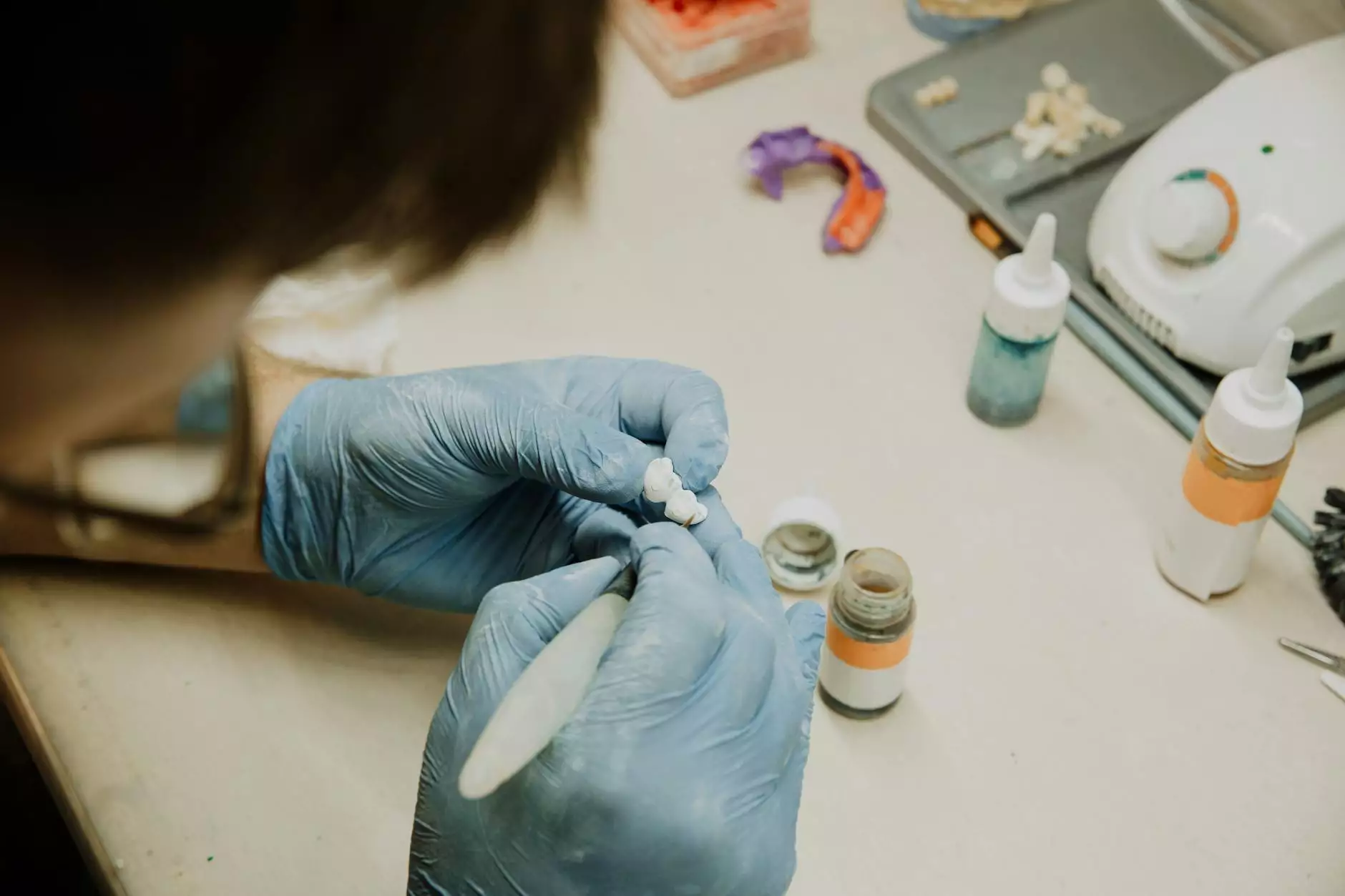
In recent years, the dental implant process has emerged as one of the most effective solutions for individuals seeking to replace missing teeth. Not only do dental implants restore functionality, but they also enhance overall aesthetics and contribute to better oral health. At Kensington Dental Studio, we understand the importance of this transformative journey. This article will delve deep into every aspect of the dental implant process, ensuring you are well-informed and confident as you embark on this life-changing procedure.
What Are Dental Implants?
Dental implants are artificial tooth roots, usually crafted from titanium, that are surgically placed into the jawbone. They serve as a sturdy foundation for fixed (permanent) or removable replacement teeth that are designed to match your natural teeth. The use of dental implants can drastically improve quality of life by enabling individuals to eat, speak, and smile with confidence.
Benefits of Dental Implants
- Enhanced Aesthetics: Implants look and feel like natural teeth.
- Improved Oral Health: Dental implants do not require alterations to neighboring teeth, preserving your dental structure.
- Durability: With proper care, dental implants can last a lifetime.
- Convenience: No need for adhesives or removal as with traditional dentures.
The Dental Implant Process Explained
The dental implant process is a multi-step procedure that typically spans several months. Here’s a detailed breakdown:
1. Initial Consultation
The journey begins with an extensive initial consultation. During this visit, your dentist will conduct a comprehensive examination, take necessary X-rays, and discuss your medical history. This helps in determining your suitability for dental implants. It’s also an excellent opportunity for you to ask questions regarding the procedure, recovery time, and costs involved.
2. Treatment Planning
Once you’ve been deemed a good candidate, your dentist will create a personalized treatment plan tailored to your unique needs. Factors like the number of implants needed, type of anesthesia, and the techniques to be used will be discussed here. This stage sets the groundwork for successful implant placement.
3. Tooth Extraction (if needed)
If you have any decayed or damaged teeth that need to be replaced, these will need to be extracted. The extraction site will be given time to heal before any implants are placed.
4. Bone Grafting (if necessary)
For some patients, the jawbone may lack sufficient density or volume to support dental implants. In such cases, a bone grafting procedure may be recommended. Bone grafting involves placing bone material into the jaw to create a stable base for implants. This process requires healing time, often several months, before moving to the next step.
5. Implant Placement
Once the site is ready, the actual dental implant process begins. The dentist will surgically place the titanium implant into the jawbone at the site of the missing tooth. This procedure is typically performed under local anesthesia or sedation. Following the placement, the healing process will commence. It’s normal to expect some swelling and discomfort during this phase.
6. Osseointegration
After the implants are placed, the jawbone will begin to integrate with the titanium implant in a process known as osseointegration. This is a critical stage in the dental implant process as it ensures the implants become firmly embedded in the jawbone, providing stability. This process can take anywhere from 3 to 6 months, during which follow-up appointments will be scheduled to monitor your healing.
7. Abutment Placement
Once osseointegration is successful, a minor surgical procedure is performed to place an abutment on the implant. This abutment acts as a connector between the implant and the prosthetic tooth (crown). After the abutment placement, a healing period of a few weeks is needed for the gum tissue to heal around the abutment.
8. Final Restoration
After adequate healing of the gums, the final step of the dental implant process includes the placement of custom-made crowns on top of the abutments. The crowns are crafted to match your natural teeth, ensuring a seamless and natural-looking smile.
Aftercare and Maintenance
The success of your dental implant largely depends on how well you care for them after the procedure. Here are key aftercare steps:
- Oral Hygiene: Maintain excellent oral hygiene by brushing and flossing regularly to prevent infection.
- Regular Check-ups: Schedule routine visits to your dentist for monitoring and cleanings.
- Avoid Tobacco: Smoking can interfere with healing and compromise the longevity of your implants.
- Healthy Diet: Eating a balanced diet can enhance healing and overall health.
Are You a Candidate for Dental Implants?
While dental implants are suitable for many people, some factors can affect eligibility:
- Overall Health: Good general health is vital. Conditions like uncontrolled diabetes or heart disease may impact the procedure.
- Bone Density: Sufficient bone density or a willingness to undergo bone grafting is essential.
- Commitment to Care: Candidates must be ready to commit to a strict oral hygiene regimen and regular dental visits.
Conclusion
The dental implant process offers a remarkable solution for tooth loss and can greatly enhance both function and aesthetics. It is a complex procedure that requires careful planning and skilled execution, preferably under the guidance of experienced professionals like those at Kensington Dental Studio. With a thorough understanding of the steps involved and a commitment to aftercare, you can achieve a lifelong, healthy, and beautiful smile. If you are considering dental implants, contact us today to schedule your initial consultation and take the first step toward improving your oral health and confidence.