Understanding the Average Snowfall in Boise, Idaho
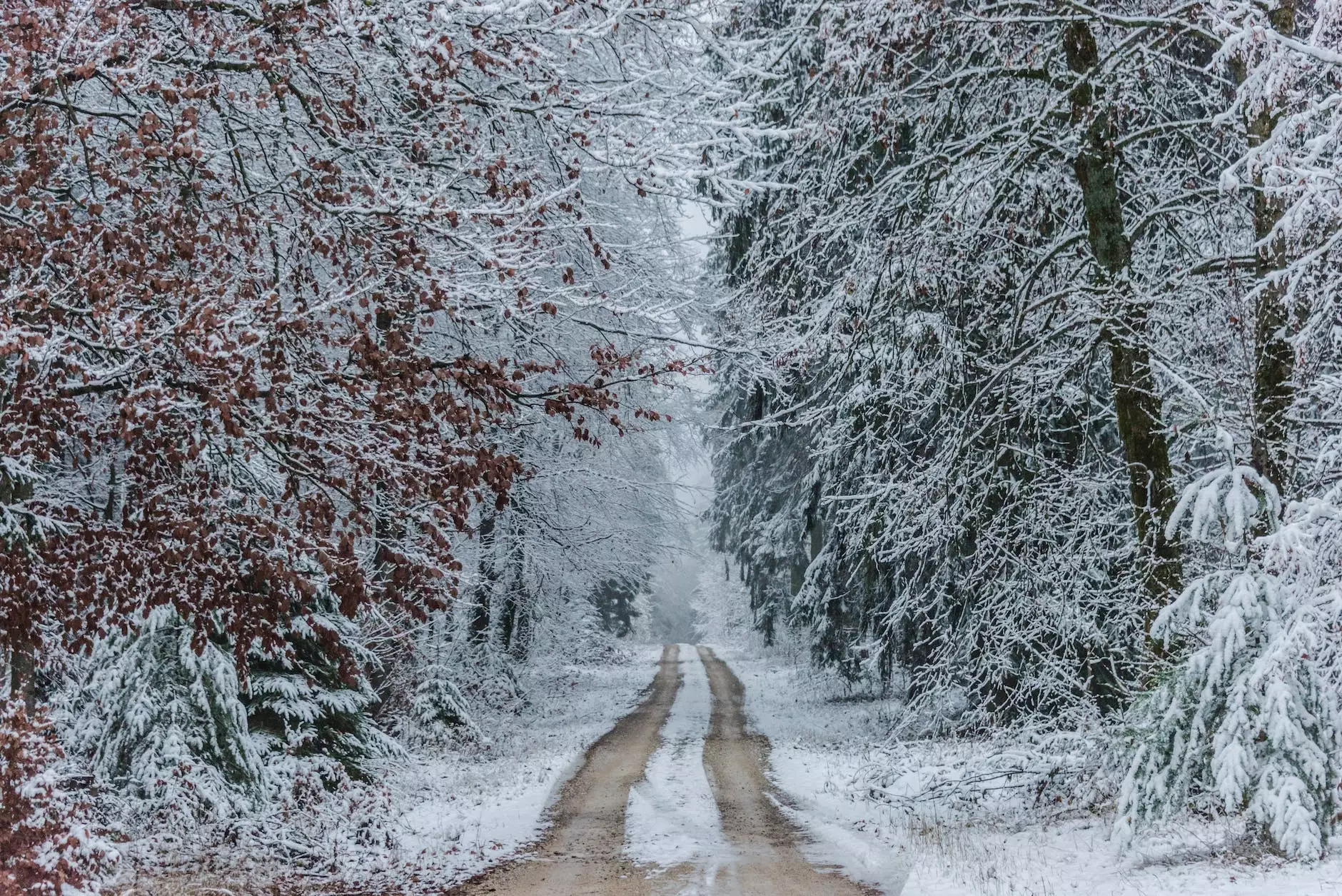
Boise, Idaho, is known for its stunning landscapes, vibrant community, and a climate that is as dynamic as the city itself. One significant aspect of its climate is the average snowfall, which can influence both residents and businesses alike. This article aims to discuss the average snowfall in Boise, Idaho, its implications for real estate, and why it might matter to both potential homebuyers and renters.
What is the Average Snowfall in Boise, Idaho?
On average, Boise receives about 20-30 inches of snow each winter season. This snowfall can vary year by year based on climatic patterns, but understanding this average helps residents and potential homeowners prepare for winter.
Seasonal Breakdown of Snowfall
The snowfall in Boise is not evenly distributed throughout the winter months. Typically, snow begins to fall in late November and can last until early March. Below is a breakdown of the snowfall by month:
- November: 1-3 inches
- December: 6-10 inches
- January: 5-8 inches
- February: 4-6 inches
- March: 2-5 inches
These statistics indicate that December and January are typically the snowiest months, making them critical for those interested in winter sports and activities.
Impact of Snowfall on Local Real Estate
When considering a move to Boise, the average snowfall in Boise, Idaho is an important factor that can greatly affect the local real estate market. Here’s how:
Winterization and Home Maintenance
Homes in Boise must be equipped to handle winter conditions. This means that prospective buyers should consider:
- Heating Systems: Efficient heating systems are crucial in Boise, especially with the freezing temperatures that can accompany substantial snowfall.
- Roofing Materials: Properties with strong roofs that can handle snow load are highly valued.
- Insulation: Proper insulation helps maintain energy efficiency during the cold months.
Real Estate Demand in Winter
The winter months can see a dip in real estate activity due to potential homebuyers being less inclined to move during snowy conditions. However, motivated sellers may find less competition during this time, balancing the market for intrepid buyers.
Leisure Activities in Snowy Boise
The snowfall in Boise isn’t just an obstacle; it opens up numerous opportunities for winter recreation:
Snow Sports
Boise is in proximity to several ski resorts such as Bogus Basin, which is a popular destination for skiing and snowboarding. The city’s average snowfall provides:
- Excellent skiing conditions: With various trails for all skill levels.
- Snowshoeing and snowmobiling: Other outdoor activities enjoyed by residents.
Community Events
Many local events take place in winter that capitalizes on the snowfall, including:
- Winter Festivals: Celebrations that often feature ice sculptures, festive music, and winter cuisine.
- Local Markets: Many farmers' markets continue, with an emphasis on winter produce.
Real Estate Trends in Boise
The real estate market in Boise is multifaceted, influenced by several factors, including snowfall. Here’s how real estate trends shape and are shaped by the winter season:
Market Shifts
The winter months can lead to shifts in market behavior. Historical trends in Boise show that:
- Lower Inventory: Fewer homes are listed in the winter, maintaining a balance in buyer demand.
- Discounted Prices: Home prices might drop slightly during the off-peak season as sellers become more eager to close deals.
Investment Opportunities
For investors, the average snowfall can indicate a potential in buying rental properties that can be marketed as winter getaways. Demand for short-term vacation rentals can peak in snowy months, especially from those seeking skiing adventures.
Preparing for Boise Winters
For those who either live in Boise or are considering moving there, preparing for winter can ensure comfort and safety:
Essential Winter Preparations
To mitigate challenges posed by snow, consider these preparations:
- Evaluate Your Heating: Schedule regular maintenance for your heating system before winter begins.
- Inspect Your Roof: Ensure your roof can withstand heavy snow; repair any weak spots.
- Stock Up on Supplies: Keep an emergency kit and snow removal tools readily available.
Emergency Preparedness
In addition to regular preparations, having a plan in place for emergencies during snowstorms is prudent:
- Emergency Contacts: Keep a list of local services, including towing and maintenance companies.
- Local Resources: Familiarize yourself with community resources for winter emergencies.
Conclusion
The average snowfall in Boise, Idaho, plays a crucial role in shaping the lifestyle, economy, and real estate market of the area. Understanding this can empower current and prospective residents to make informed decisions regarding their living and investment situations in this beautiful city. Whether you are an outdoor enthusiast keen on winter sports or a potential homeowner in the Boise area, being aware of snow-related factors ensures a more enjoyable experience during Idaho's beautiful winter months.
For more information on real estate, apartments, and finding a real estate agent in Boise, visit xorealestate.com.
average snowfall in boise idaho