The Essential Role of the City Street Sweeper in Urban Management
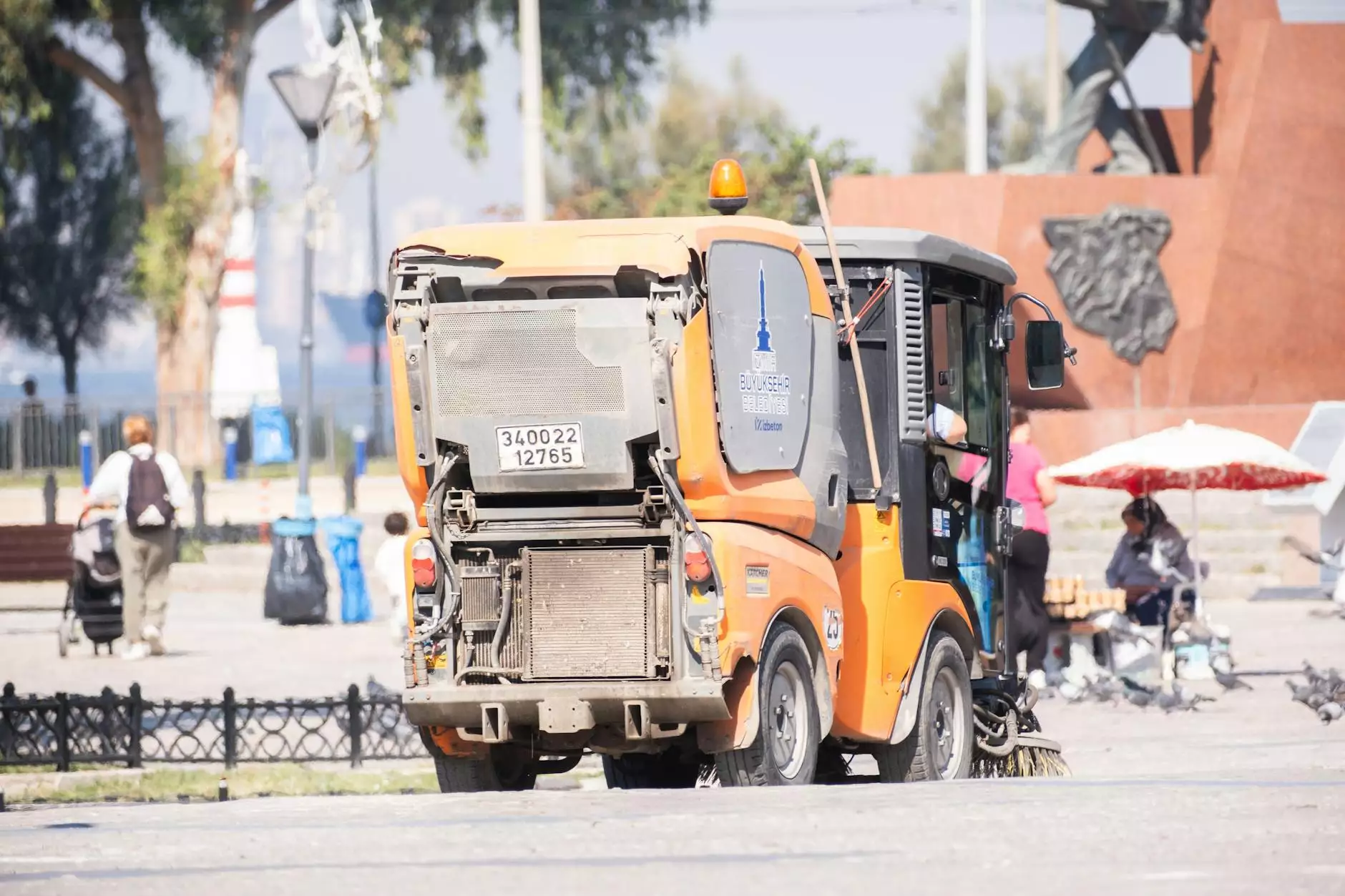
In today’s fast-paced world, urban cities need efficient solutions to manage cleanliness and environmental concerns. One of the unsung heroes in this endeavor is the city street sweeper. This article delves into the pivotal functions these machines perform, their technological advancements, and how they positively impact our cities.
Understanding the City Street Sweeper
A city street sweeper is a specialized vehicle designed for cleaning city roads, parking lots, and other paved surfaces. The significance of these machines goes beyond mere aesthetics; they play a crucial role in maintaining public health and safety. By effectively managing debris and pollutants, street sweepers contribute significantly to urban sustainability.
The Importance of Street Sweeping
- Enhancing Public Safety: Road debris can pose significant hazards for vehicles and pedestrians alike. By removing litter, leaves, and other obstructions, street sweepers help to minimize accidents.
- Environmental Protection: Street sweepers collect pollutants such as oil, metals, and other contaminants before they can wash into storm drains and waterways, aiding in the preservation of urban ecosystems.
- Promoting Aesthetic Appeal: Clean streets contribute to a more attractive city, fostering a sense of community pride and encouraging tourism.
- Preventing Clogged Drains: Regular cleaning of streets can prevent the buildup of debris that may clog drainage systems, especially during heavy rainfalls.
Types of City Street Sweepers
City street sweepers come in various types, each suited for specific tasks within urban maintenance. Understanding the different types can help cities choose the right equipment for their needs.
1. Mechanical Broom Sweepers
Mechanical broom sweepers utilize rotating brushes that agitate and dislodge dirt, which is then collected in a hopper. They are highly effective for large areas and are commonly used for initial clean-up tasks.
2. Vacuum Sweepers
Vacuum sweepers are designed to suck up debris, allowing for a finer clean. These machines are exceptional for collecting small particles, dust, and other fine materials, making them ideal for urban environments.
3. Regenerative Air Sweepers
These advanced sweepers use a combination of air and vacuum to lift debris from the road. They are efficient and effective at reducing particulate matter, making them a popular choice for cities concerned about air quality.
Technological Advancements in Street Sweepers
Recent years have witnessed remarkable technological advancements in the design and functionality of the city street sweeper.
1. Eco-Friendly Models
With increasing awareness of environmental issues, many manufacturers are developing eco-friendly street sweepers. These models use alternative fuels or electric power, significantly reducing emissions and promoting sustainability.
2. Smart Technology Integration
Modern street sweepers now come equipped with smart technology, including GPS systems for route optimization and real-time data collection. This technology enhances operational efficiency and helps in planning more effective cleaning schedules.
3. Enhanced Safety Features
Safety is paramount in urban environments. Newer models are integrated with advanced safety features such as cameras, sensors, and automatic braking systems, ensuring the safety of operators and pedestrians alike.
The Economic Impact of City Street Sweepers
Investing in a city street sweeper has profound economic implications for municipalities.
- Cost Savings: Regular street cleaning reduces the need for costly repairs resulting from debris-related road damage.
- Increased Property Values: Well-maintained streets can enhance property values, making neighborhoods more desirable.
- Job Creation: The operation and maintenance of sweeping equipment create job opportunities within the community.
Best Practices for Street Sweeping
To maximize the efficiency of street sweepers, municipalities should adopt best practices.
1. Scheduling Regular Sweepings
Establishing a regular street sweeping schedule helps keep streets clean and reduces the accumulation of debris. Cities should consider seasonal changes and local events when planning.
2. Community Engagement
Educating the community about the benefits of street sweeping can foster cooperation and lead to cleaner streets. Residents can play a role by reporting areas in need of attention.
3. Continuous Training for Operators
Well-trained operators can significantly improve the operational effectiveness of street sweepers. Providing continuous training ensures that operators are familiar with the latest technologies and safety protocols.
Future Trends in Street Sweeping
The future of street sweeping promises exciting innovations and enhancements.
1. Autonomous Street Sweepers
As autonomous vehicle technology advances, the development of self-operating street sweepers is becoming a reality. These machines could operate on predefined routes, reducing the need for human operators and increasing efficiency.
2. Integration with Smart City Initiatives
As cities move towards becoming 'smart cities,' street sweeping technology will be integrated with other urban management systems, allowing for real-time reporting of street conditions and automatic service requests.
Conclusion
In summary, a city street sweeper is more than just a cleaning machine; it is an essential component of urban infrastructure that plays a vital role in maintaining safety, aesthetics, and environmental health. With advancements in technology and a focus on sustainability, these vehicles are poised to become even more integral to city management. Cities must recognize the impact of keeping their streets clean and invest in cutting-edge solutions to enhance urban living.
To learn more about high-quality street sweeping solutions and how they can benefit your community, visit ceksansweepers.com.