Understanding the Significance of Air and Cargo Services
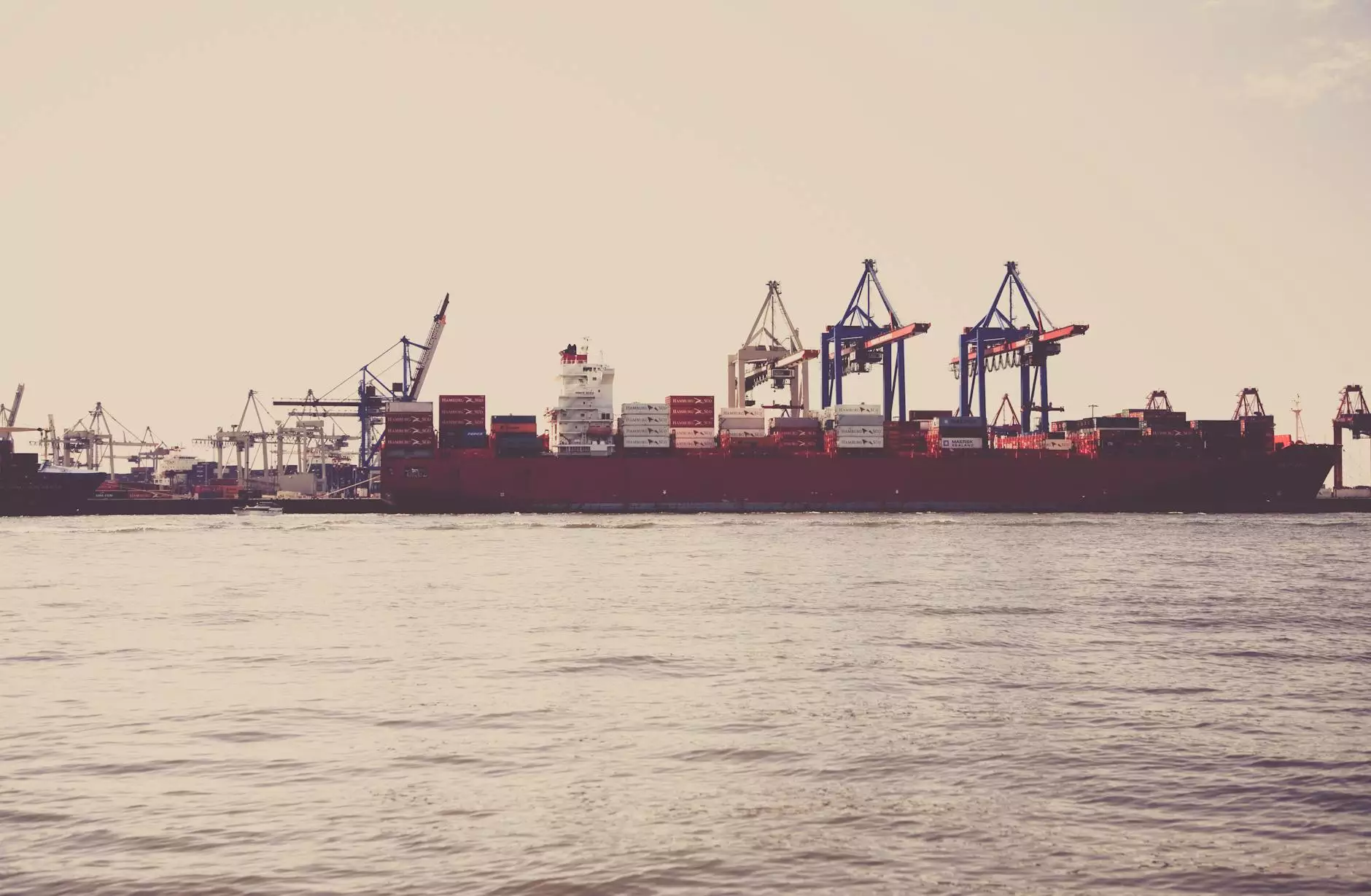
In today's fast-paced global economy, air and cargo services play a crucial role in facilitating trade and transportation. With the rise of e-commerce and the increasing demand for rapid delivery of goods, these services have become indispensable for businesses looking to thrive in a competitive environment.
The Evolution of Air and Cargo Services
Historically, shipping and transportation were predominantly reliant on sea routes. However, with the advent of modern aviation, air and cargo services have transformed the logistics landscape. The ability to move goods swiftly across vast distances has opened up new markets and opportunities, allowing businesses to reach customers faster than ever before.
From Traditional Transport to Modern Solutions
The transition from traditional transport methods to air and cargo services signifies a monumental shift in how goods are moved. While sea freight remains crucial for bulk goods, air freight has emerged as the go-to solution for time-sensitive shipments, luxury items, and products with a high value-to-weight ratio.
Benefits of Air and Cargo Services
Choosing air and cargo services offers numerous advantages for businesses and consumers alike. Let’s explore some of the key benefits:
- Speed and Efficiency: Air transportation is significantly faster than ground or maritime methods, making it ideal for urgent deliveries.
- Global Reach: With numerous airports worldwide, air and cargo services can connect businesses to international markets effectively.
- Reliability: Airlines often operate on fixed schedules, ensuring timely delivery compared to other transport options.
- Safety of Goods: The risk of damage is lower with air transport, thanks to specialized handling and packaging requirements.
- Enhanced Tracking: Modern air and cargo services provide real-time tracking systems, allowing businesses to monitor their shipments comprehensively.
The Role of Shipping Centers in Air and Cargo Services
Shipping centers serve as the backbone of the logistics ecosystem. They facilitate the smooth coordination of cargo flights, manage warehousing processes, and streamline customs clearance procedures. Let’s delve deeper into their importance:
Key Functions of Shipping Centers
Shipping centers perform several essential functions that enhance the efficiency of air and cargo services:
- Consolidation of Cargo: Shipping centers gather shipments from various suppliers, consolidating them into one cargo flight, which maximizes space and reduces costs.
- Customs Clearance: Well-trained personnel at shipping centers help businesses navigate the complexities of international shipping regulations.
- Warehousing Solutions: Shipping centers often provide secure warehousing facilities, allowing companies to store goods temporarily while awaiting transportation.
- Logistical Support: These centers offer logistical expertise, ensuring smooth transitions between different transport modes.
Transportation Networks and Their Integration with Air and Cargo Services
The integration of air and cargo services within transportation networks is vital for optimizing supply chain efficiency. Transportation networks encompass a variety of transport modes, including trucks, railroads, and maritime options, and their seamless integration with air freight services ensures a more responsive and flexible logistic system.
Multimodal Transportation Solutions
Multimodal transportation refers to using more than one mode of transport to move goods. This approach can enhance the effectiveness of air and cargo services:
- Cost Efficiency: Combining different transportation methods can lead to cost savings, especially for long-distance shipments.
- Increased Flexibility: Businesses can choose the best routes and methods based on shipment requirements, duration, and cost.
- Improved Delivery Times: Faster connections between air services and ground transport dramatically reduce overall logistics times.
Challenges Faced by Air and Cargo Services
While air and cargo services offer unparalleled benefits, they are not free from challenges. Understanding these challenges is critical for businesses looking to leverage these services effectively:
Common Challenges in Air and Cargo Logistics
Some of the notable challenges include:
- Regulatory Hurdles: International shipping faces numerous regulatory challenges, including customs restrictions and tariffs.
- High Costs: Although air freight is faster, it is comparatively more expensive than other shipping methods.
- Capacity Constraints: Limited availability of cargo space on flights can pose issues for businesses with large shipment volumes.
- Sustainability Concerns: The aviation industry is under scrutiny for its carbon footprint, prompting a shift towards more sustainable practices.
Future of Air and Cargo Services
The future of air and cargo services is bright, driven by technological advances and market demand. Companies that adapt and innovate will thrive in this evolving landscape.
Technological Innovations Shaping the Industry
Emerging technologies are set to revolutionize air and cargo services:
- Automation: Automated systems for warehousing and logistics are enhancing accuracy and efficiency in cargo handling.
- Blockchain: This technology is being used to increase transparency and security in supply chain processes.
- Green Technologies: Innovations aimed at reducing emissions and enhancing sustainability are becoming increasingly crucial.
- Drones: The use of drones for small deliveries promises rapid shipment options and reduced costs for last-mile deliveries.
How Businesses Can Optimize Their Use of Air and Cargo Services
To make the most of air and cargo services, businesses should consider the following strategies:
Key Strategies for Businesses
- Build Strong Partnerships: Collaborate with reliable shipping centers and logistics providers to ensure quality service delivery.
- Invest in Technology: Leverage tracking and management technologies to enhance efficiency and visibility in the supply chain.
- Train Staff: Ensure that personnel are trained in the latest logistics best practices and regulatory requirements.
- Assess Performance: Regularly evaluate the performance of your logistics strategy to make necessary adjustments for improved outcomes.
Conclusion
In conclusion, air and cargo services are vital components of modern logistics that facilitate global trade and streamline the transportation of goods. By understanding the benefits, challenges, and future trends, businesses can leverage these services to gain a competitive edge. Whether you're a small startup or a large corporation, optimizing your use of air and cargo services can open up new possibilities and drive growth in today's dynamic marketplace.
For more information on air and cargo services, visit cargobooking.aero and explore the myriad of options available to facilitate your business needs in the realm of logistics.
air and cargo services