The Comprehensive Guide to Airfreight Tracking
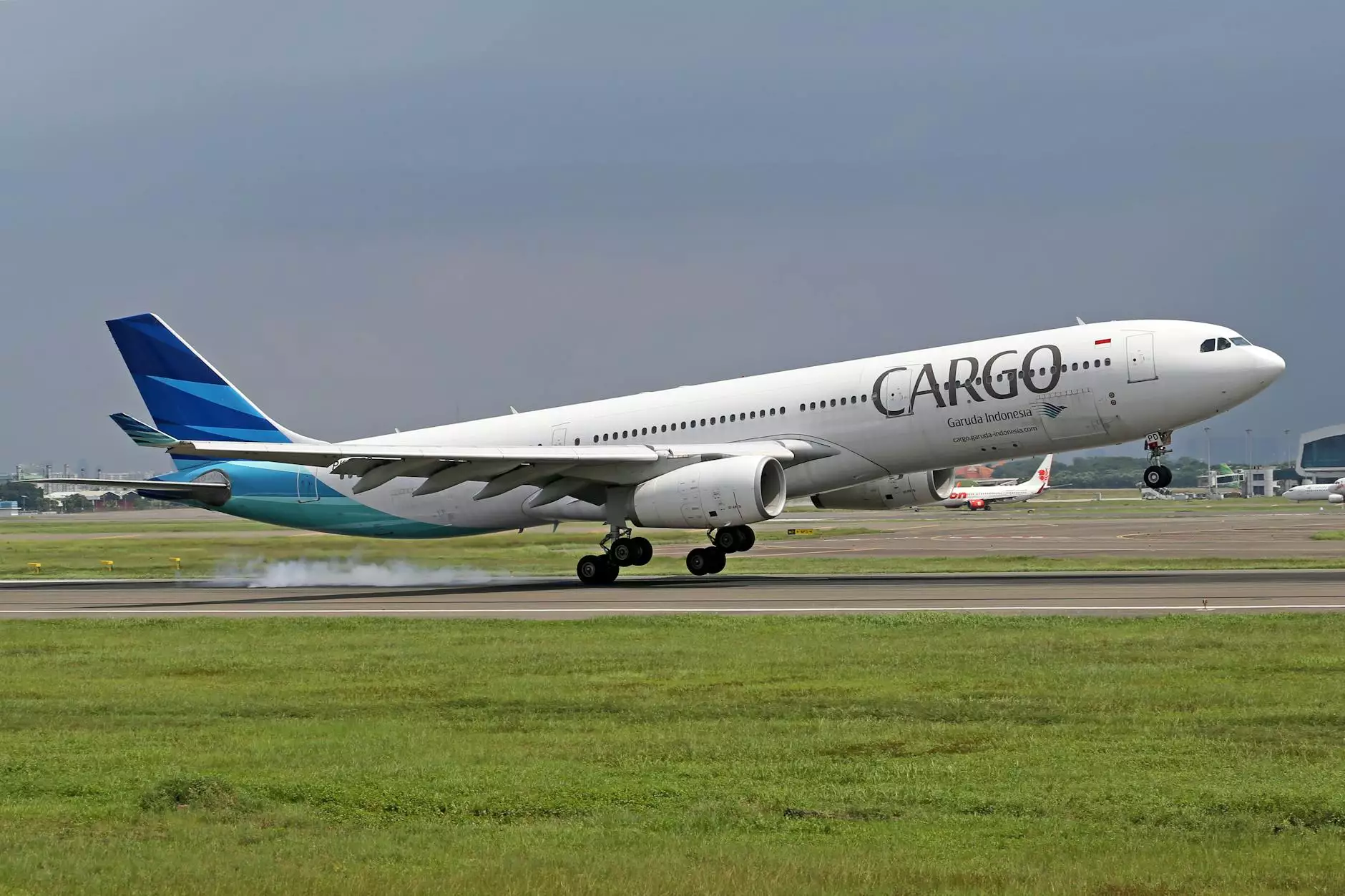
In the fast-paced world of global logistics, airfreight tracking has emerged as a critical component of effective supply chain management. With the demanding nature of modern commerce, businesses require a reliable system to monitor their shipments as they traverse international borders. In this article, we will delve deep into airfreight tracking, its benefits, how it works, key technologies involved, and its impact on global trade.
What is Airfreight Tracking?
Airfreight tracking refers to the process of monitoring the location and status of air cargo from the moment of its departure to its final delivery destination. This involves leveraging advanced technologies to ensure shippers and recipients are kept informed about the shipment's journey, including any potential disruptions or delays.
The Importance of Airfreight Tracking
In today's competitive landscape, where every second counts, the ability to track shipments in real-time is crucial for businesses. Here are some key reasons why airfreight tracking is essential:
- Enhanced Visibility: Customers and businesses can monitor their shipments, providing transparency that builds trust.
- Efficient Supply Chain Management: By knowing exact shipment statuses, companies can make informed decisions on inventory management and distribution strategies.
- Improved Customer Experience: Customers appreciate timely updates about their orders, leading to increased satisfaction and repeat business.
- Risk Mitigation: Tracking allows businesses to identify and address issues proactively, minimizing the impact of potential disruptions.
The Mechanics of Airfreight Tracking
At the core of airfreight tracking is a sophisticated system that integrates various technologies to provide up-to-date information about shipments. Here’s how it works:
1. Shipment Preparation
Before a shipment is sent, a unique tracking number is assigned to the air cargo. This tracking number is crucial for monitoring the shipment throughout its journey.
2. Data Entry at Origin
As the cargo is prepared for shipment, details such as weight, dimensions, and destination are entered into the tracking system. This information is linked to the unique tracking number.
3. Tracking Technologies
Various technologies play a role in airfreight tracking:
- RFID (Radio Frequency Identification): Tags affixed to cargo can be scanned at various checkpoints, updating the system automatically.
- Barcode Scanning: Traditional barcodes can be scanned at critical points, providing updates on the shipment’s journey.
- GPS Tracking: Global Positioning Systems offer real-time location updates, allowing for precise monitoring.
- IoT Sensors: Internet of Things devices can monitor conditions during transit, such as temperature and humidity, which is particularly vital for sensitive goods.
4. Real-Time Updates
As the shipment travels, data from these tracking technologies is sent back to the central system. Shippers can access this data through online platforms or mobile applications, staying informed about their cargo status in real-time.
5. Delivery Confirmation
Upon reaching the destination, the shipment is checked and unloaded, concluding the journey. Delivery confirmation is sent to the shipper, completing the airfreight tracking process.
Technological Trends Shaping Airfreight Tracking
The logistics sector is continuously evolving, with new technologies reshaping the landscape of airfreight tracking. Several emerging trends are worth noting:
1. Blockchain Technology
Blockchain provides a decentralized ledger that ensures transparency and traceability throughout the supply chain. By using blockchain, businesses can verify the integrity of shipment data and create tamper-proof records.
2. Artificial Intelligence (AI)
AI algorithms can predict potential delays and suggest alternative logistics options, enhancing the decision-making process. Machine learning can analyze historical data to improve forecasting and optimize routes.
3. Drones and Automation
Drones are being tested for last-mile deliveries and inventory management in warehouses. The integration of automated systems can streamline tracking and reduce human errors.
Challenges in Airfreight Tracking
Despite its benefits, airfreight tracking faces several challenges:
- Data Integration: Different carriers may use distinct tracking systems, complicating data consolidation for shippers.
- Technology Adoption: Not all businesses can invest in the latest technologies, leading to inconsistencies in tracking capabilities.
- Cybersecurity Risks: As tracking systems become more digital, they also face threats from cyber attacks, risking sensitive shipment data.
The Impact of Airfreight Tracking on Global Trade
The role of airfreight tracking in global trade cannot be overstated. It has revolutionized the logistics industry by enhancing speed, efficiency, and reliability. Here are some of its significant impacts:
1. Accelerated Delivery Times
With real-time tracking, businesses can respond quickly to any delays, ensuring that delivery times are minimized. This speed is essential for industries where time-sensitive goods are commonplace, such as electronics and perishable items.
2. Cost Reduction
By optimizing routes and improving operational efficiencies, businesses can significantly reduce transportation costs. Detailed tracking allows companies to analyze performance metrics and adjust strategies accordingly.
3. Enhanced Regulatory Compliance
Many industries are subject to strict regulations regarding shipping and handling. Implementing robust tracking systems can help companies ensure compliance with international and national laws.
4. Supporting E-commerce Growth
The rise of e-commerce has driven demand for efficient logistics solutions. Proper airfreight tracking systems empower online retailers to manage shipments effectively, providing customers with timely delivery updates.
Choosing the Right Airfreight Tracking Service
Not all tracking services are created equal, and businesses must carefully consider their options. Here are several factors to evaluate when choosing a provider:
- Comprehensive Tracking Capabilities: Ensure the service provides end-to-end tracking and real-time updates.
- User-Friendly Interface: The platform should be easy to navigate, allowing shippers to access information without hassle.
- Integration with Other Systems: The tracking system should seamlessly integrate with your existing logistics and inventory management software.
- Customer Support: Timely and effective customer service is critical for resolving issues that may arise during shipment.
The Future of Airfreight Tracking
As technology continues to advance, the future of airfreight tracking looks promising. Here are some anticipated developments:
- Increased Automation: As automation technologies become more sophisticated, tracking processes will become faster and more accurate.
- Augmented Reality (AR): AR has the potential to enhance warehouse operations and tracking, offering real-time data visualization.
- Further Integration with AI: Deep learning algorithms will optimize routing and improve predictive analytics, making tracking systems smarter.
- Sustainability Initiatives: As companies focus on sustainable practices, tracking technologies will play a role in optimizing fuel use and reducing carbon footprints.
Conclusion
In conclusion, airfreight tracking is not just a logistical tool; it is a cornerstone of modern commerce that drives efficiency, transparency, and customer satisfaction. As we strive toward a more connected world, the importance of reliable tracking systems will only continue to grow. Companies like Cargobooking Aero are at the forefront of this revolution, providing essential services that businesses rely on to navigate the complexities of global trade.
By understanding and leveraging the power of airfreight tracking, businesses can ensure they remain competitive in an ever-evolving market, ultimately driving growth and success for their operations. The future of logistics is bright, especially for those who embrace the power of tracking technology to enhance their business strategies.