Comprehensive Guide to Heating & Air Conditioning: Enhancing Comfort with HVAC Solutions
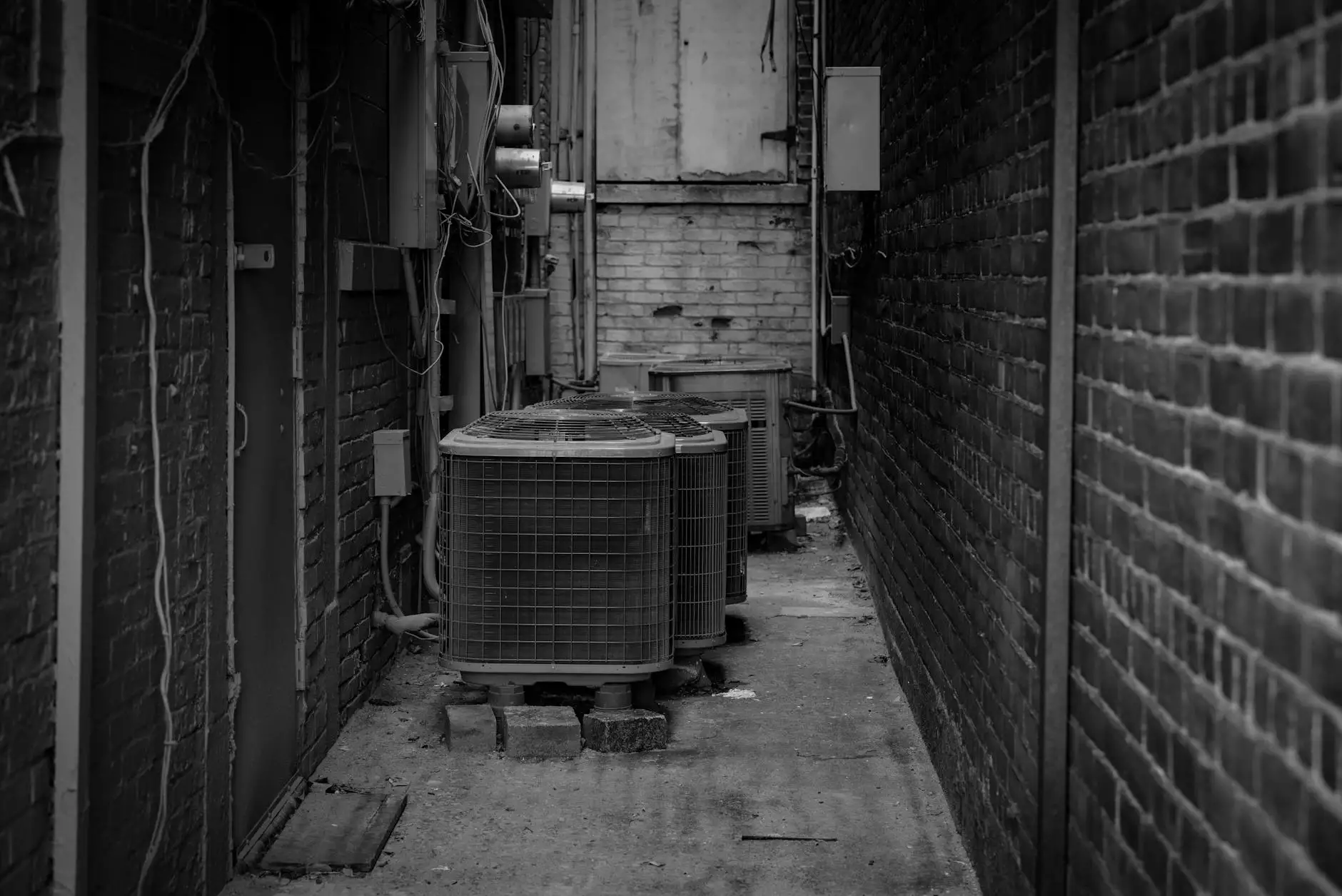
In today's world, having an efficient heating and air conditioning system (HVAC) is crucial for maintaining comfort in residential and commercial spaces. Not only does it provide the necessary temperature control, but it also significantly contributes to indoor air quality and overall health. In this article, we will delve into the various aspects of HVAC systems, what to consider when choosing one, and how the services provided by DIHA Air Conditioning can meet your specific needs.
What is HVAC and Why is it Important?
HVAC stands for Heating, Ventilation, and Air Conditioning. It encapsulates the technology used to provide comfortable indoor environments. The importance of HVAC systems cannot be overstated, as they play a vital role in maintaining thermal comfort and ensuring air quality. Here are some reasons why investing in a quality HVAC system is essential:
- Energy Efficiency: A well-maintained HVAC system can significantly reduce energy consumption, leading to lower utility bills.
- Air Quality: Proper air filtration and circulation reduce pollutants, allergens, and humidity, creating a healthier living space.
- Temperature Control: HVAC systems ensure that you can maintain a comfortable temperature throughout the year, regardless of external weather conditions.
- Increased Property Value: A modern and efficient HVAC system adds to the overall value of your property.
Types of HVAC Systems
When it comes to selecting an HVAC system, there are several types to consider, each with unique features and benefits. Among the most common are:
1. Central Heating and Air Conditioning
This system uses a network of ducts to distribute air throughout a building. It typically includes a furnace or heat pump for heating and an air conditioner for cooling. Central HVAC units are known for their efficiency and effectiveness in large spaces.
2. Ductless Mini-Split Systems
Perfect for homes without ductwork, ductless systems offer flexibility with zoned heating and cooling. They consist of an outdoor compressor unit and one or more indoor air handling units. This option is ideal for energy efficiency and targeted comfort.
3. Heat Pumps
Heat pumps function by transferring heat rather than generating it. They can work efficiently in both heating and cooling modes, making them an excellent choice for moderate climates. When paired with a good air handler, heat pumps provide effective temperature control.
4. Furnaces
Furnaces can be powered by natural gas, electricity, or oil. They heat air and distribute it through ducts. Gas furnaces are typically the most popular due to their efficiency and cost-effectiveness.
Key Features and Technologies in Modern HVAC Systems
Today's HVAC systems incorporate advanced technologies that enhance performance and user experience. Here are some key features to look for:
- Smart Thermostats: These devices learn your schedule and preferences, allowing for optimized heating and cooling while conserving energy.
- Variable Speed Blowers: These provide better airflow control, reducing energy consumption and improving comfort.
- High SEER Ratings: The Seasonal Energy Efficiency Ratio (SEER) measures cooling efficiency. Higher ratings indicate better performance and lower energy costs.
- MERV Ratings: Minimum Efficiency Reporting Value indicates the level of filtration efficiency. A higher MERV rating means better air filtration.
Regular Maintenance: The Key to Longevity
Investing in a quality HVAC system is just the beginning; regular maintenance is essential to keep your system running efficiently. Here are some maintenance tips:
1. Schedule Annual Inspections
Professional inspections should be conducted annually to ensure all components are in good working order. This includes checking the refrigerant levels, cleaning coils, and inspecting the ducts.
2. Change Filters Regularly
Filters should be changed every 1 to 3 months, depending on usage. This maintains efficient airflow and improves air quality by reducing allergens and contaminants.
3. Clean the System
Keep the exterior unit clear of debris, and ensure that the condenser and evaporator coils are clean to optimize performance.
4. Monitor and Adjust Thermostat Settings
Ensure that your thermostat is functioning correctly and adjust settings as necessary for optimal heating and cooling.
The DIHA Air Conditioning Advantage
When it comes to heating and air conditioning services, DIHA Air Conditioning stands out as a reputable provider. Their commitment to customer satisfaction and professional expertise makes them a top choice for HVAC solutions. Here are several reasons to consider DIHA:
- Expert Technicians: Their team is comprised of skilled and certified technicians who ensure high-quality service.
- Comprehensive Services: DIHA offers a wide range of services, from installation to repairs and maintenance, covering all aspects of HVAC systems.
- Energy Efficiency Solutions: They provide energy-saving options, helping customers reduce costs while maintaining comfort.
- Customer-Centric Approach: DIHA prioritizes transparency, focusing on clear communication and tailored solutions for every client.
Making the Right Choice: Understanding Your HVAC Needs
Choosing the right HVAC system for your space can be overwhelming. Here are some factors to consider that can aid in making the right decision:
1. Assess Your Space
Consider the size of your home or business, insulation levels, and number of windows. These factors influence the type and size of the HVAC system required.
2. Evaluate Your Climate
Your local climate plays a significant role in determining the type of HVAC system you will benefit from the most. For extreme temperatures, a robust central system may be necessary, while moderate areas might opt for heat pumps or mini-splits.
3. Determine Your Budget
Establishing a clear budget will help eliminate options that may be impractical. Consider not only the upfront costs but also the long-term savings on energy bills.
4. Review Energy Efficiency Ratings
Always look for energy-efficient models that can save you money over time. Systems with high SEER ratings are generally more costly upfront but save you money on energy bills.
Future Trends in HVAC Technology
As technology advances, HVAC systems are evolving to offer smarter, more efficient solutions. Here are some trends to watch for:
- Integration with Smart Home Systems: More systems are being designed to sync with other smart home devices, leading to enhanced control and efficiency.
- Increased Use of Eco-Friendly Refrigerants: As environmental regulations tighten, manufacturers are developing new systems that use refrigerants with lower global warming potential.
- IoT and Predictive Maintenance: Internet of Things (IoT) technology allows for systems to communicate issues before they become major problems, enabling predictive maintenance.
- Improved Air Quality Monitoring: New systems are integrating advanced air quality sensors to improve indoor environmental conditions.
Conclusion: Embrace Optimal Comfort with HVAC Solutions
In summary, investing in a reliable heating and air conditioning system is essential for maintaining a comfortable, healthy indoor environment. The right HVAC system offers numerous benefits, including improved air quality and energy efficiency. With comprehensive services provided by DIHA Air Conditioning, you can ensure that your HVAC system meets your requirements while keeping costs manageable.
Consider your specific needs, review the information provided, and make an informed decision that will enhance your living or working environment for years to come. For more details, visit https://dihaairconditioning.com/ today!