Exploring the World of KV Models in the Toy Industry
In the modern era of retail, toy stores play a crucial role in not only providing entertainment but also facilitating developmental growth for children. Among the various products available, the term “KV models” has garnered attention. But what are KV models, and why are they important in the context of toy stores? This article will delve deeply into the significance of KV models, their implications for toy stores like dukmodell.com, and how they can greatly enhance the consumer experience.
Understanding KV Models
The acronym “KV models” can represent various concepts, but within the context of toy stores, it primarily refers to a unique category of educational toys that encourage interactive play through modular designs. These models are designed not just for fun, but also to stimulate cognitive development, creativity, and problem-solving skills in children.
The Importance of Educational Toys
Educational toys are vital to a child’s growth. During the formative years, children learn best through play. Here's why these toys—including KV models—are essential:
- Encourages Critical Thinking: KV models often involve assembly and problem-solving, enhancing analytical skills.
- Promotes Creativity: With various configurations possible, children can create unique models, enhancing their imaginative capabilities.
- Fosters Collaboration: Many KV models can be used as multiplayer games, encouraging social interaction and teamwork.
- Boosts Fine Motor Skills: Handling small pieces helps develop dexterity and coordination.
KV Models: A Diverse Range
In toy stores like dukmodell.com, KV models are available in various forms. Here are some popular categories:
1. Construction Sets
These sets inspire creativity and critical thinking. Children can build bridges, vehicles, and even entire cities, all while learning about structural integrity and design principles.
2. Robotics Kits
With the advancement of technology, many KV models now include robotics. Children can learn the basics of programming while assembling and coding their robots, integrating STEM education in a fun way.
3. Puzzle Models
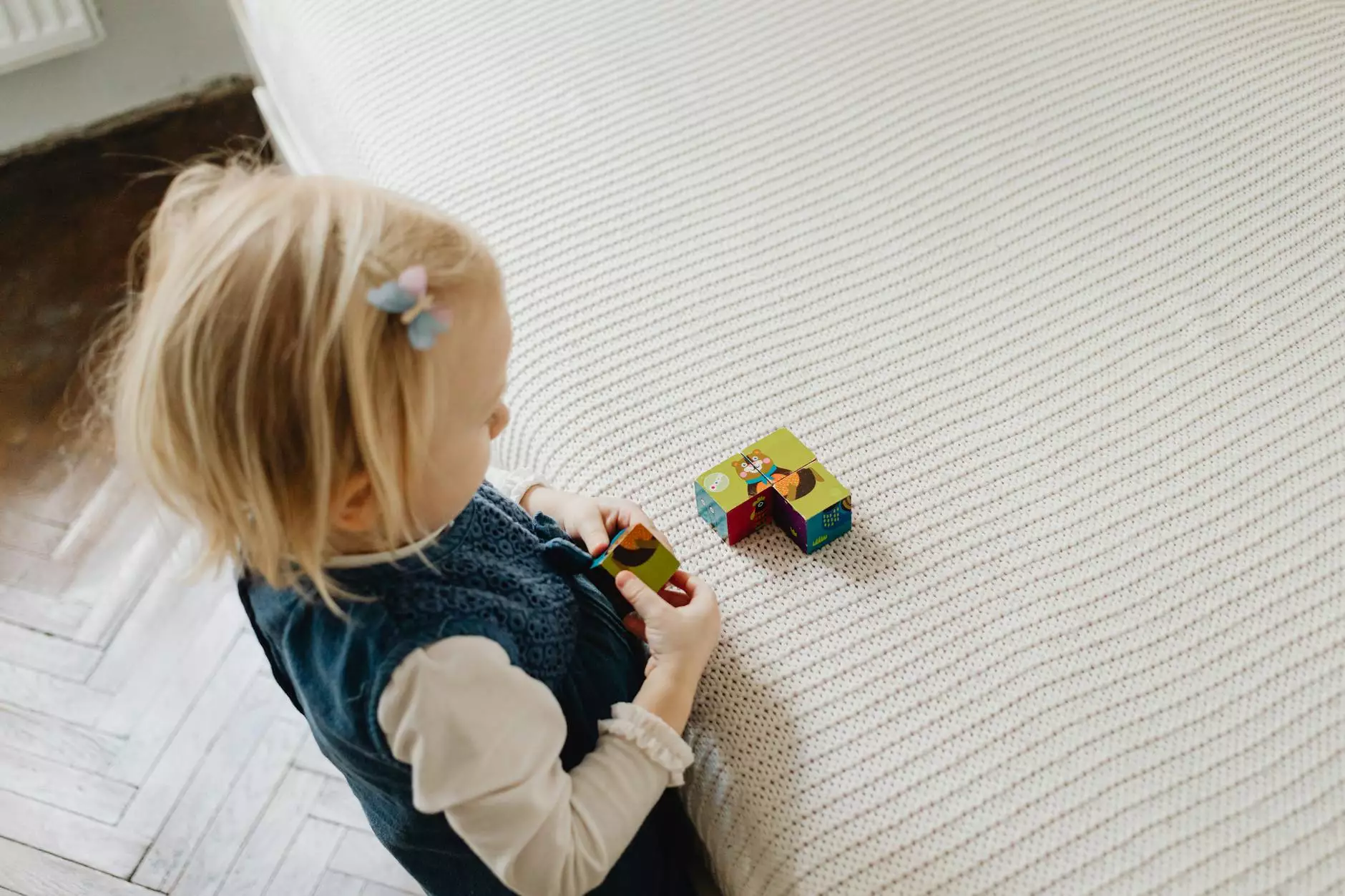
These models challenge children to solve problems to complete a picture or construct a model. It promotes teamwork when children collaborate to find solutions.
4. Art and Craft Models
Artistic KV models allow children to express their creativity while improving their fine motor skills and hand-eye coordination.
Why Parents Choose KV Models
As a parent, selecting the right toys is crucial. Here’s why KV models stand out:
- Lasting Value: Unlike other toys, KV models often have longevity due to their reusable parts and adaptive nature, leading to extended play time and value for money.
- Educational Benefits: Parents are increasingly aware of the educational benefits associated with play. KV models fit perfectly into this niche.
- Quality vs. Cost: While they might seem more expensive at first glance, the educational advantages and durability often justify the investment.
How KV Models Enhance Customer Experience
For toy stores like dukmodell.com, stocking KV models can significantly improve the overall customer experience. Here’s how:
1. Engaging Displays
Utilizing dynamic and interactive displays in-store can draw attention to KV models. Making these toys visually appealing encourages exploration and interaction.
2. Workshops and Events
Hosting workshops where children can engage with KV models can draw attention to the store and allow parents to see the value of these products firsthand.
3. Expert Staff Recommendations
Training staff to understand the benefits of KV models allows for better customer service and more informed purchasing decisions for parents.
KV Models and Environmental Responsibility
Another significant aspect of KV models is their alignment with sustainable practices. Many manufacturers are moving towards more sustainable materials and production methods. Here’s how this movement can influence consumer preferences:
- Biodegradable Materials: Parents are increasingly seeking toys made from natural materials that are safe for both children and the environment.
- Recyclable Packaging: Eco-friendly packaging is a crucial consideration, and many KV model brands are stepping up to meet this demand.
- Educational Themes on Sustainability: KV models can come with themes that teach children about environmental awareness, fostering a generation of eco-conscious learners.
Cultivating a Community Around KV Models
Creating a community around KV models can further enhance the toy shopping experience. Here are some initiatives toy stores can implement:
1. Online Forums and Discussions
Creating online platforms for parents to discuss and share their experiences with KV models can help in building a sense of community.
2. Social Media Engagement
Leveraging platforms like Instagram and Facebook for sharing customer experiences can engage more parents and create buzz around new KV model arrivals.
3. Collaboration with Schools
Partnering with local schools to introduce KV models into classrooms can create a broader appreciation and demand for these educational toys.
The Future of KV Models in Toy Stores
The future looks bright for KV models in toy stores. As the demand for educational and sustainable toys grows, businesses like dukmodell.com can capitalize on this trend by:
- Staying Updated with Trends: Keeping an eye on educational trends and emerging technologies ensures that the store remains a relevant player in the market.
- Expanding Product Lines: Continuously sourcing new and engaging KV models can attract a diverse customer base.
- Implementing Feedback Loops: Soliciting customer feedback on KV models can help tailor inventory to meet customer preferences.
Conclusion
In summary, KV models in toy stores like dukmodell.com offer an engaging, educational, and enjoyable experience for both children and parents. As the toy industry evolves, these models stand out not only as a great source of entertainment but also as tools for lifelong learning and development. By focusing on quality experiences that promote creativity, problem-solving, and social interaction, KV models can redefine how we perceive educational toys — making them an essential offering in toy stores for years to come.